
Explore Our Services
What We Offer
Residential Home Inspection
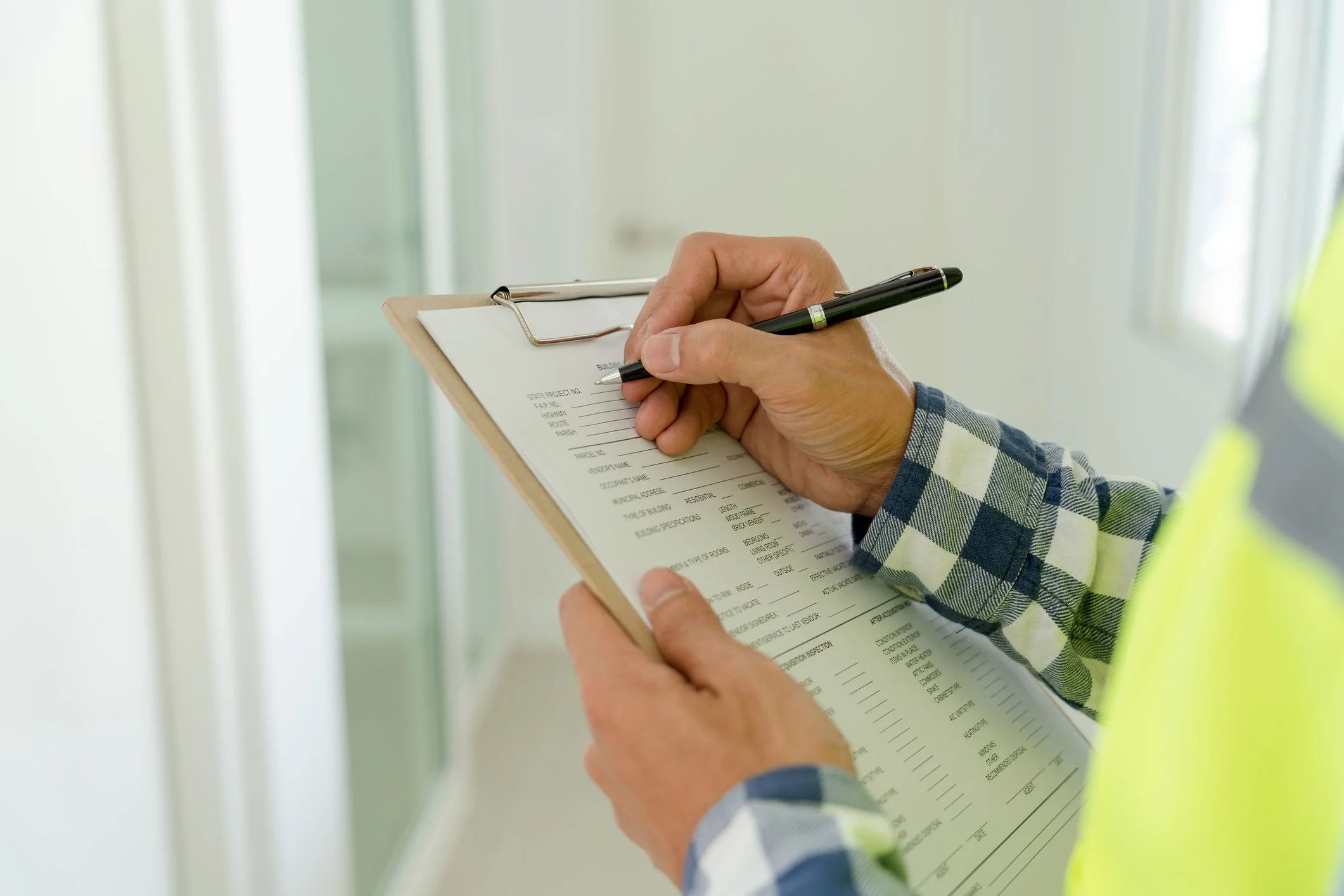
A New Jersey residential home inspection governed by the Home Advisory Committee typically includes a thorough, non-invasive evaluation of the property’s accessible, installed systems and components to identify visible defects and safety hazards; this generally covers the structural foundation and framing, roof covering and drainage, exterior cladding, windows and doors, attached decks and porches, and the condition of chimneys and fireplaces; major interior systems such as electrical service, outlets, main panels, heating systems, central air conditioning, plumbing supply and drain systems, water heaters, and visible fuel systems are inspected for operation and obvious deficiencies; interior spaces—floors, walls, ceilings, stairs, and built-in components—are checked, along with garage and carport conditions; the inspector will operate readily accessible systems and appliances, report on functional performance, note material defects, and may recommend further evaluation by licensed specialists for concealed or suspected issues, while adhering to the state-mandated Scope of Work, standards of practice, and required disclosures established by the Home Advisory Committee. Inspections are performed in accordance with New Jersey's standards as described in NJAC 13:40-15.16
Pricing for a home inspection starts at $400 which includes: Condos/Townhouses, Single and Multi Family Home. These prices can increase based on certain factors such as the age of the property to be inspected, overall square footage, number of rooms as well as the number of systems such as multiple HVAC systems for example. Requested ancillary services such as radon testing etc. will be bundled at a discounted price.
Radon Testing
Radon Testing
Residential Radon Testing
What is radon? Radon is a naturally occurring, odorless, colorless radioactive gas produced by the decay of uranium in soil, rock, and water. It can enter homes through foundation cracks, gaps, sump pits, and other openings. Long-term exposure to elevated radon levels is the second-leading cause of lung cancer after smoking.
Why test for radon?
Invisible hazard: Radon has no smell, taste, or visual warning signs.
Health risk: The U.S. Surgeon General and EPA advise testing because prolonged exposure increases lung cancer risk.
Variability: Radon levels vary widely between neighboring homes and across seasons. The only reliable way to know your home’s level is to test.
When to test?
During real estate transactions: Sellers and buyers commonly test as part of inspections and negotiations.
After renovations: Changes to the foundation, HVAC, or basement can alter radon entry and accumulation.
If you’ve never tested: A one-time test is recommended for all homes below the third floor.
Periodic retesting: Re-test every 2–5 years or sooner if structural or mechanical changes occur.
Sewer Scope Inspection
Sewer Scope Inspection
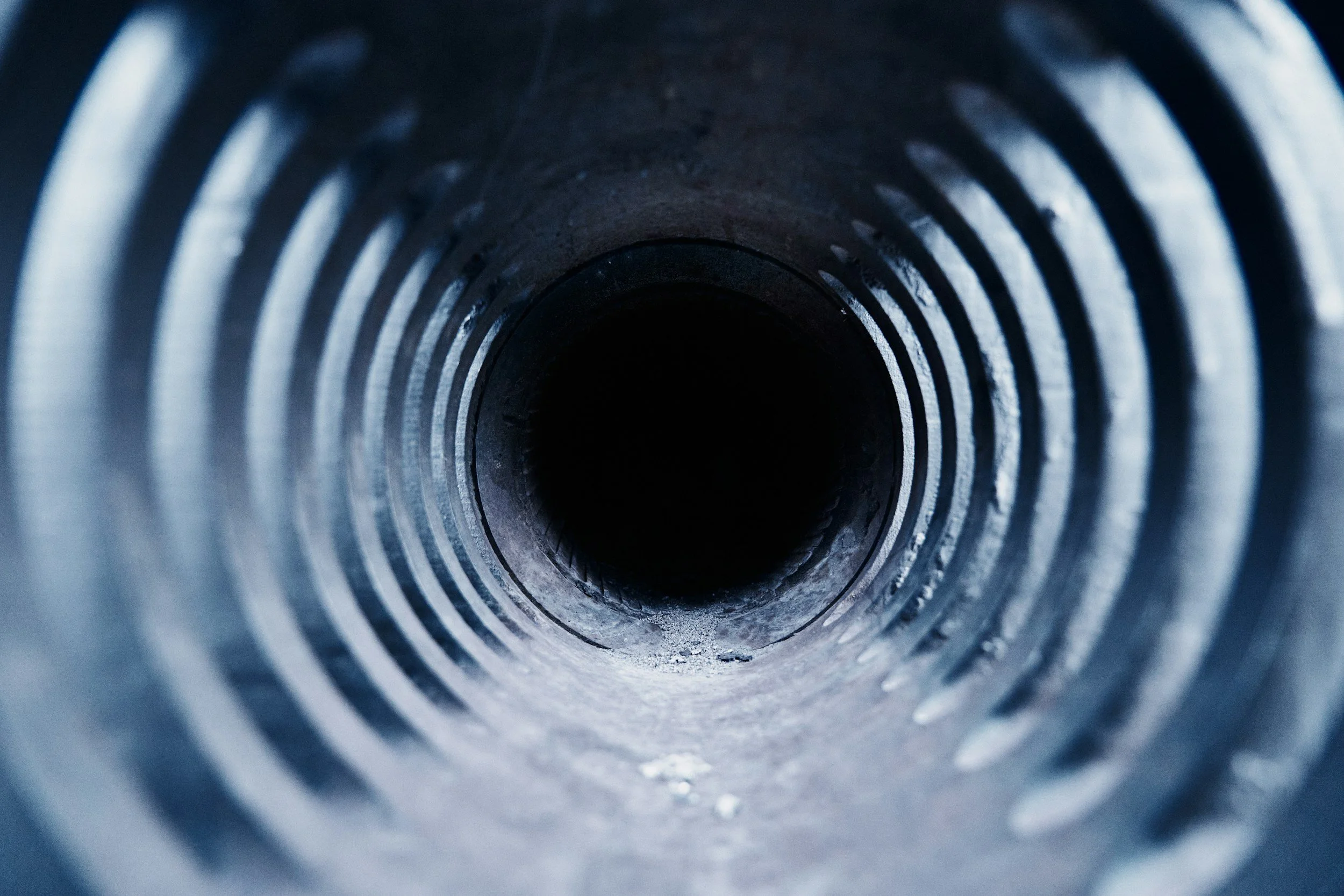
A sewer scope inspection uses a waterproof camera pushed through the home’s sewer line to visually evaluate the condition of the underground pipe from the building to the main sewer or septic connection. It provides real-time footage and still images that reveal blockages, defects, and potential failure points that are not visible during a standard home inspection.
Eminence Home Inspections LLC. provides professional sewer scope inspections as part of comprehensive property evaluations or as a stand-alone service. Our reports include video documentation, annotated images, and clear recommendations to help you make informed decisions about sewer system condition and remediation options.
Why a sewer scope is important
Detects obstructions: tree roots, grease buildup, collapsed material, debris, or foreign objects that can cause backups or slow drainage.
Identifies structural issues: cracks, bellies (sags), joint separations, corrosion, offset joints, and collapsed sections.
Locates material and installation problems: aging pipe materials (clay, cast iron, vitrified clay, ABS, PVC), improper slope, or poor connections.
Informs repair/replace decisions: helps estimate cost and urgency for repairs like root cutting, lining (CIPP), sectional repair, or full replacement.
Supports real estate transactions: gives buyers and sellers documented condition prior to closing to avoid surprise expenses after purchase.
When to request a sewer scope
Purchasing a home, especially older properties or those with mature trees close to sewer lines.
Repeated or slow drains, frequent clogs, or backups.
Homes with cast iron, clay, Orangeburg, or other older pipe materials.
Before major landscaping or construction that could disturb the lateral.
If a sewer odor is present around the yard or in the basement.
Eminence Home Inspections LLC. provides professional sewer scope inspections as part of comprehensive property evaluations or as a stand-alone service. Our reports include video documentation, annotated images, and clear recommendations to help you make informed decisions about sewer system condition and remediation options.
Indoor Air Quality Testing
Why Air Quality Testing is important
Indoor air quality testing protects health, preserves property value, and provides peace of mind. Hidden pollutants—mold, airborne allergens—can cause respiratory problems, aggravate allergies and asthma, and contribute to long-term health risks. Testing identifies sources and concentrations so you can take targeted, cost-effective steps: ventilation improvements, filtration upgrades, moisture remediation, or professional mold removal. For home buyers, landlords, or homeowners, a clear air-quality report supports informed decisions, prevents costly repairs, and ensures a safer living environment for family members, tenants, and visitors. Regular testing is especially important after water damage, renovations, or when occupants experience unexplained symptoms.
What to expect from testing
Scope: Testing is for mold/microbial sampling.
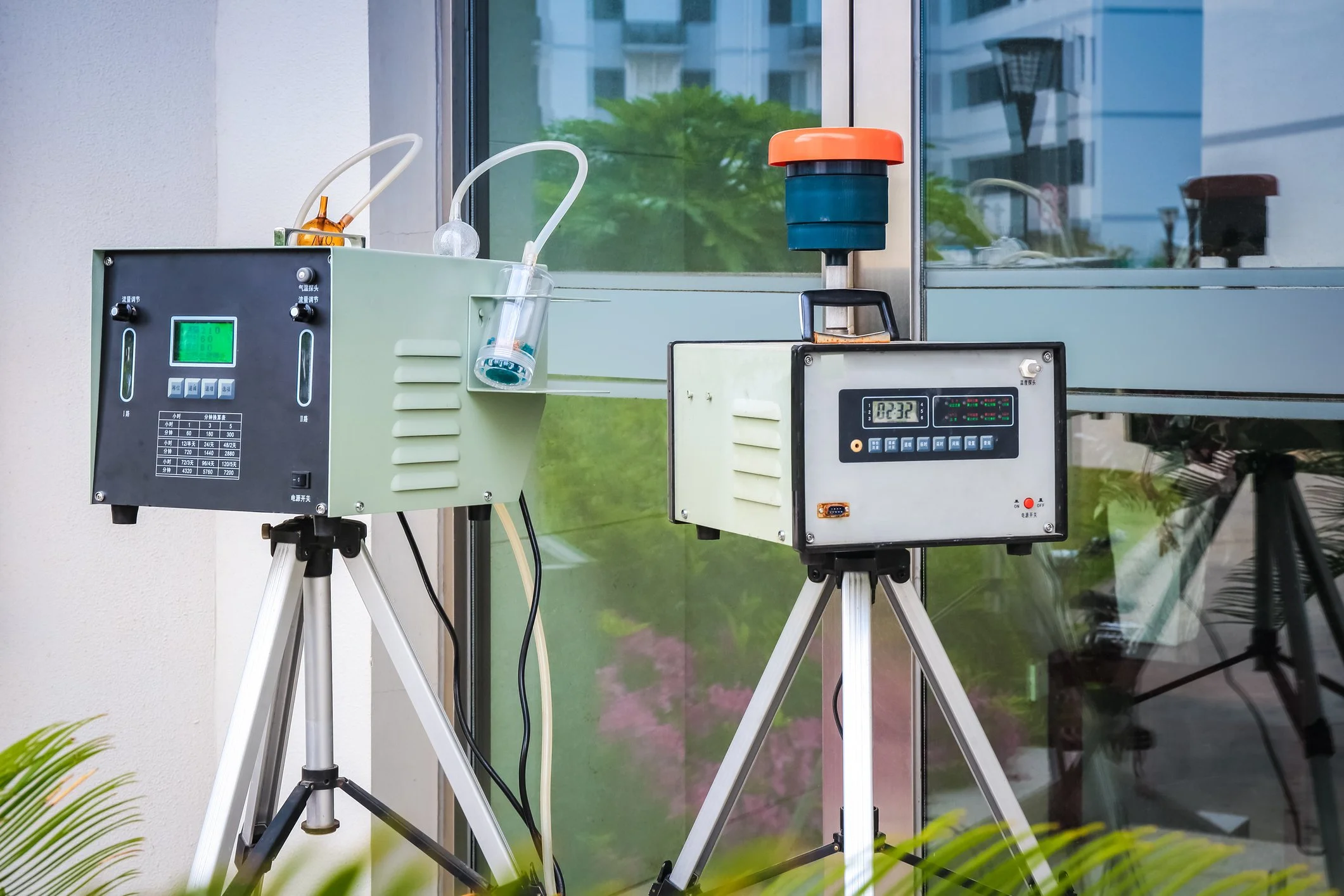
Methods: Sampling use can be airborne surface swabs, air sampling pumps—professionals choose methods based on your concerns.
Results and next steps: A certified inspector will explain results as well as direct you to the testing lab for further detailed explanation and recommend remediation or further investigation if needed.
If you’re unsure whether testing is necessary, schedule an assessment with a qualified home inspector/indoor air quality specialist. They can prioritize tests based on your symptoms, recent events, and the condition of your home.
Air quality testing evaluates the concentrations of pollutants and airborne particles inside homes and buildings to identify health risks, common sources, and remediation priorities; it typically measures parameters such as particulate matter, mold spore counts, using specialized instruments and laboratory analysis to produce actionable results; informed by testing data, inspectors can recommend professional remediation.
When to Request Air Quality Testing
Indoor air quality directly affects comfort, health, and the longevity of your home. Consider scheduling professional air quality testing in the following situations:
New or worsening respiratory symptoms: If occupants develop chronic cough, sore throat, wheeze, headaches, allergy flare-ups, or unexplained fatigue that improve when away from the home, testing can identify airborne triggers.
Visible mold or persistent dampness: Any sign of mold growth, musty odors, or ongoing water intrusion warrants testing for mold spores and moisture-related contaminants.
Recent water damage or flooding: After leaks, floods, or major plumbing failures, testing helps determine whether mold or other contaminants are present and whether remediation was effective.
Recent renovations or new construction: Remodeling, new carpeting, painting, or installation of composite building materials. Testing verifies safe levels.
Unexplained odors: Persistent musty, mold smells that you can’t trace to a source may indicate elevated levels.
New HVAC systems or changes to ventilation: After installing or altering heating, cooling, or ventilation systems, testing ensures proper filtration and acceptable particulate and microbial levels.
Occupants at higher risk: Homes with infants, elderly, pregnant occupants, or people with asthma, COPD, immune suppression, or severe allergies should be tested more proactively.
Purchase or sale of a home: As part of due diligence, air quality testing provides an added layer of information beyond a standard home inspection.
What People Are Saying
-
Eminence Home Inspections lives up to its name with the utmost professionalism. Joe is very thorough, informative, and positively receptive to any questions or concerns.
— Angelo T.
-
Very glad that I decided to get a home inspected with Eminence Home LLC. Compared to other home inspectors I've had experiences with, Joe was much more thorough and knowledgeable.
— Victor N.
-
His work by far was amazing and you can tell he takes pride in what he does. He is very reasonable and experience. If you looking for an honest and trustworthy inspector, then you need not look any further. Eminence Home Inspection is the best.
— Vonett T.
Get In Touch
If you're interested in working with us, complete the form with a few details about your Home Inspection Needs. We'll review your message and get back to you within 24 hours.